

Revitalisation &
Modernisation
Energy analysis and efficiency planning for existing systems
Existing refrigeration systems lose efficiency over the years. Components age, control strategies no longer correspond to the real load profiles and new statutory requirements make adjustments necessary. This leads to increasing energy consumption, higher operating costs and growing technical risk.
A systematic analysis shows where performance is being lost and which technical factors are significantly contributing to energy wastage. This forms a solid basis for decision-making for the targeted optimisation of the entire system.
Through technically sound upgrades, adapted control strategies and consistent monitoring, the system is brought back to an economical, stable and standard-compliant operating level. This ensures efficient, reliable and predictable operation in the long term.
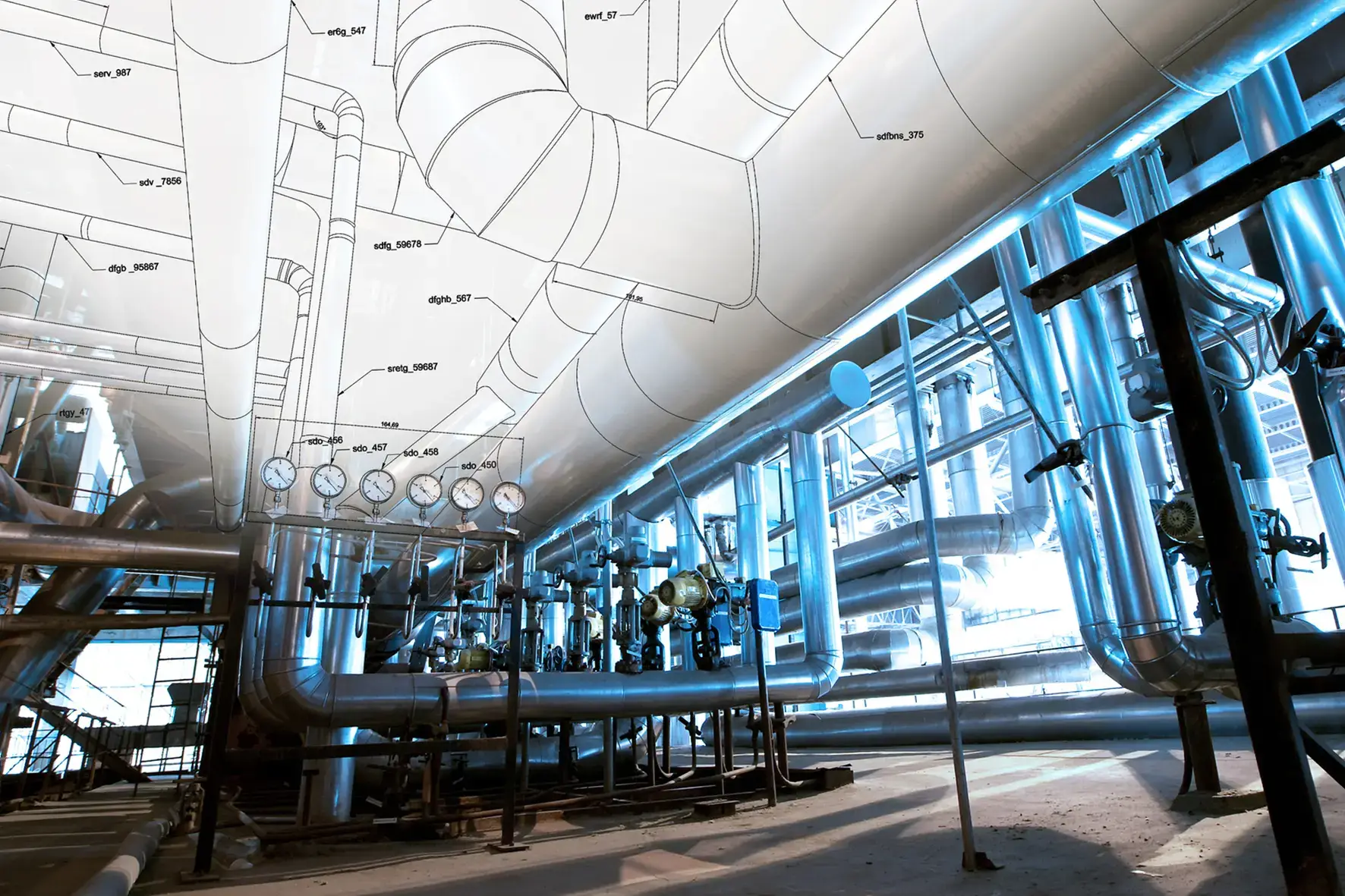
An assessment identifies the best steps
Compressors, condensers, heat exchangers, refrigerants, pumps and the entire control technology are examined individually and in their interaction.
By analysing real operating data and part-load points, optimisation opportunities can be identified that not only reduce energy consumption but also improve operational safety. Regulatory developments such as the F-Gas Regulation or efficiency standards are also factored in to make decisions viable in the long term.
Modern revitalisation extends service life and reduces costs
By replacing outdated components, implementing new control strategies, digital monitoring solutions and improved energy flows, the entire plant technology becomes more stable and efficient.
The refrigeration system responds better to load fluctuations, operates within the optimal operating range and causes fewer unplanned shutdowns. In the long term, the modernisation enables lower operating costs, reduced maintenance effort and a significantly extended service life.
More from KSI Kältetechnik